
 Johan Slabbert
Reflections from Mark 12:1–13
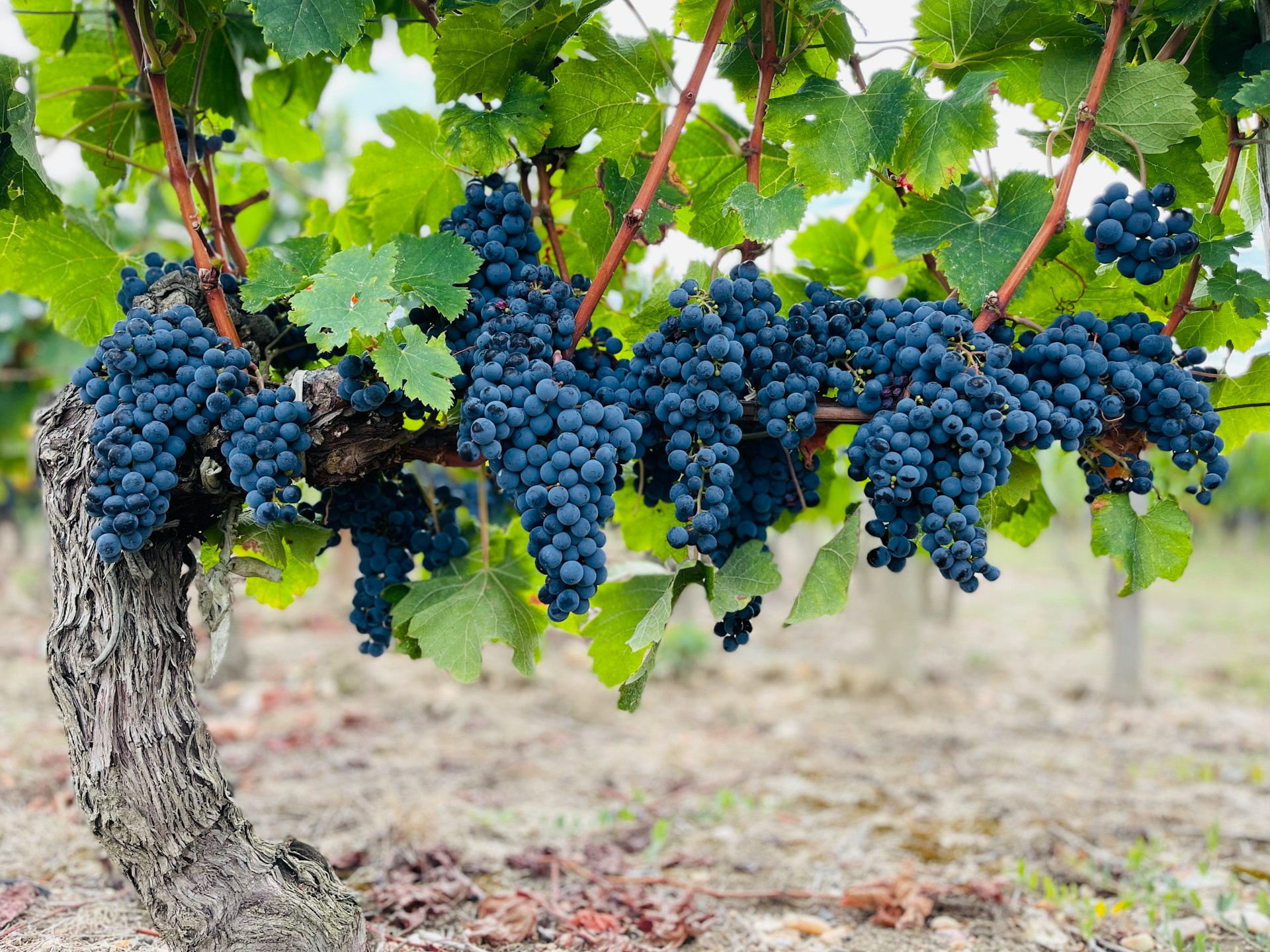
In one of the most sobering parables Jesus ever told, we find a vineyard—beautifully planted, well-protected, and entrusted to tenants. But behind the idyllic imagery lies a tale of spiritual corruption and abuse of power.
Mark 12:1–13 is not just a story—it’s a warning. A parable not only about Israel’s leaders but also a mirror held up to every pastor, prophet, church council, and denominational head. It resonates hauntingly with another vineyard story—Naboth’s vineyard in 1 Kings 21—where a political leader, Ahab, uses his power to steal what does not belong to him. In Jesus’ version, it is not political power that violates God’s vineyard, but religious power.
Two Vineyard Stories, One Sinful Pattern
The vineyard is not just metaphor—it represents the people of God, entrusted to human stewards. And those stewards forget they are tenants, not owners.
The parable in Mark 12 is Jesus’ divine protest against religious leaders who exploit, dominate, and kill—not only the prophets, but ultimately the Son of God Himself.
1. The Owner of the Vineyard
“A man planted a vineyard... He put a wall around it, dug a pit for the winepress, and built a watchtower.” (Mark 12:1)
The picture is clear: God is the planter, protector, and provider. He did everything to ensure the success of His vineyard—Israel. The spiritual leadership was meant to guide the people in covenantal faithfulness. But instead of faithfulness, they fostered rebellion.
Pastors and elders today must take this image seriously. The church belongs to God—not to us. We are stewards, not proprietors.
2. The Commissioned Servants
“He sent a servant... but they seized him, beat him, and sent him away empty-handed.” (Mark 12:2–5)
God sent prophets—truth-tellers, reformers, men of fire and tears—to call His people back. But instead of listening, the tenants brutalized them.
The same pattern repeats in church history. Whenever prophets arise with calls to repentance, they are labeled troublemakers. Beaten. Excommunicated. Silenced. The message of the vineyard is this: God sees it all—and He will act.
3. The Beloved Son
“He had one left to send, a son, whom he loved.” (Mark 12:6)
Jesus is the final messenger. He is not just another prophet—He is the heir. But what do the religious elite do? They plan His death. “Let’s kill him,” they say, “and the inheritance will be ours.”
Let the modern church beware: Every time we twist God’s Word to suit our own agendas—every time we make the church a platform for our egos, our politics, our brands—we join those tenants in their treachery.
The Justice of God
“What then will the owner of the vineyard do? He will come and kill those tenants and give the vineyard to others.” (Mark 12:9)
Judgment came for Ahab and Jezebel. It came for the leaders of Israel. And it will come again—for those who treat the church as personal property rather than sacred trust.
This parable is not just a warning to the Sanhedrin of Jesus’ day. It is a warning to every bishop, pastor, or religious influencer who steals God’s vineyard through false doctrine, abuse of power, or spiritual manipulation.
The Stone They Rejected
“The stone the builders rejected has become the capstone.” (Mark 12:10)
Though they rejected the Son, He rose victorious. Christ is the cornerstone—unshakeable, immovable, central. Religious corruption could not stop Him. The resurrection is the proof.
Lessons for Today’s Church
-
The Kingdom Belongs to God and His Son.
No synod, pastor, or council has the right to rewrite what God has ordained. -
Spiritual Leaders Must Tremble.
Leading God’s people is not a path to personal glory but a sacred, weighty stewardship. Those who persecute God’s true shepherds walk a dangerous path (Acts 5:38–39). -
False Doctrine Is Theft.
When leaders promote teachings that contradict the Word, they are spiritually robbing God’s people—and crucifying Christ afresh. -
Rejection of God's Truth Is Rejection of Christ.
Killing prophets and silencing truth-tellers is not just a sin against men—it is a sin against God’s Son (Acts 9:3–5). -
Judgment for Rejecting Christ Certain.
The God who judged Ahab, Jezebel, and the Sanhedrin is still the same. He will not be mocked. His vineyard will not be stolen.
A Final Word
The story of the vineyard is not just a parable from the past—it is a prophetic lens through which we must examine our churches today. Let us beware of the beast from the earth—the false prophet in religious robes. Let us return to the Word of God, to humble stewardship, and to fearless proclamation of Christ as the cornerstone.
May we never forget: the vineyard belongs to the Lord. And He is coming to inspect it.
It is no coincidence that in Revelation 12 and 13 we meet two beasts: one from the sea (political power), and one from the earth (false religion). Both are animated by the same dragon. The takeaway? Religious institutions can become just as beastly as governments when they lose sight of their true owner.
Photo: John Cameron
Share this article
Pass it on to someone who may find it helpful.