
 Johan Slabbert
Ethnicity, Culture, and Kingdom: A Biblical Response to Race Obsession
Acts 17:22–31; Romans 9:1–8
Walk into almost any public space today—be it a news broadcast, classroom, or online forum—and you’ll find one of the topics dominating the discourse: race. Terms like “racial justice,” “critical race theory,” and “systemic oppression” saturate our vocabulary. And while these ideas may seem new or academic, their influence is now deeply embedded in culture—and even creeping into the church.
But what does the Bible say about race, culture, and ethnicity? Does Scripture offer a better lens through which to understand these realities? And more importantly, what does the gospel of Jesus Christ say about how we relate to people of other cultures, languages, and backgrounds?
Let’s explore these questions under three vital headings: Ethnicity, Culture, and Kingdom.
1. Ethnicity: Love and Be Proud of Your People
“For I could wish that I myself were cursed and cut off from Christ for the sake of my brothers, those of my own people...” (Romans 9:3)
The apostle Paul deeply loved his people—the Jews. He didn’t erase his ethnic identity when he became a Christian. Instead, he recognised that God had sovereignly placed him among his fellow Israelites for a purpose. He said plainly: “my brothers, my kinsmen according to the flesh.” (Romans 9:3 NASB)
Here’s the irony: while our modern world is obsessed with categorizing people by “race,” the Bible doesn’t use the term “race” at all. The Greek word often mistranslated as “race” in English Bibles is suggenes (συγγενής)—it means “kinsmen” or “fellow countrymen.”
Scripture does acknowledge ethnicity—language, tribe, family, and nation—but never in a way that fuels superiority. In fact, diversity in humanity was God’s idea. Acts 17:26 says,
“From one man he made every nation of men, that they should inhabit the whole earth; and he determined the times set for them and the exact places where they should live. (Acts 17:26 NIB)”
Being proud of your heritage, culture, and mother tongue is not sinful. It is part of God’s beautiful design. Why else do people flock across the world to witness different customs, taste different foods, and marvel at diverse architecture? Because at the source, these things reflect the creativity of God.
Application:
- You may and should love your ethnic group and be proud of your heritage.
- You should also feel sorrow and concern for your people if they do not know Christ—just as Paul grieved over his own.
- Are you willing to pray for, mourn over, and even give your life for the salvation of your people?
2. Culture: The Glory and the Guilt
Culture shapes our customs, beliefs, music, clothing, food, and even worship. In Romans 9:4–5, Paul outlines the incredible privileges of Israel’s culture: divine adoption, the covenants, the Law, the temple worship, the patriarchs, and the human ancestry of Christ.
Israel was uniquely blessed. No other nation received such direct revelation and spiritual inheritance. But did that mean other cultures had no value? Not at all.
Every culture contains traces of truth and beauty because every culture is part of God’s creation. But every culture also contains elements of rebellion and sin because all nations suppress the knowledge of God (Romans 1:18).
Take the people of South Korea, who are more than 99% Korean, as an example:
- The Beauty: Industrious, family-oriented, artistic, 33% Christian.
- The Brokenness: High suicide rates, materialism, an unhealthy focus on external beauty, alcohol abuse.
Cultures that align closely with God’s moral law tend to experience more blessing. Does every culture have God’s moral law? Yes, it is written on every human heart. Paul uses this moral argument in Romans 2:14–15:
“They show that the requirements of the law are written on their hearts...”
Application:
- We should appreciate the beauty in other cultures.
- We must also confront the sin in our own.
- No culture is morally neutral. Every tribe and tongue must submit to Christ.
3. Kingdom: The Children of the Promise
This is where it all comes together. Your ethnicity and culture matter—but there is one identity that matters more than all others: Are you in Christ?
“It is not the natural children who are God's children, but it is the children of the promise who are regarded as Abraham's offspring.” (Romans 9:8 NIB)
Scripture is clear: not every Israelite was a true child of God. Not every person in your tribe or language group is saved. Only those who are “children of the promise”—those who trust in Jesus Christ—are counted as true sons and daughters of God.
This is radical. It means your closest family is not defined by skin colour, cultural background, or language—but by faith.
Paul says in Galatians 3:
“There is neither Jew nor Greek, slave nor free, male nor female, for you are all one in Christ Jesus.” (Galatians 3:28 NIB)
In Christ, we become part of a new humanity—a new spiritual family that includes people from every tribe, tongue, people, and nation (Revelation 5:9).
This is what makes racism and racial superiority so ugly and anti-gospel: it denies the power of the cross to unite sinners across ethnic lines. It elevates temporal categories above eternal realities.
Application:
- You are closer to a fellow believer of another ethnicity than to an unbeliever of your own.
- You cannot see people primarily through the lens of group identity (as CRT insists).
- Our unity in Christ transcends every earthly boundary.
Final Reflections: Search Your Own Heart
The problem of racism is not merely systemic or structural—it is spiritual. It begins in the heart. Do you assume the worst about others who don’t look like you? Do you quietly idolize your own culture or heritage?
Scripture calls us to examine ourselves. To be proud of our ethnic heritage—but to be far more committed to the kingdom of God.
Ethnicity is good. Culture is valuable. But the Kingdom of Christ is eternal.
Let us join with the heavenly chorus in Revelation:
“A great multitude from every nation, tribe, people and language... cried out: 'Salvation belongs to our God who sits on the throne, and to the Lamb.'” (Revelation 7:10 NIB)
In Christ, we are the children of the promise. This is our true identity. This is our eternal family.
“If you belong to Christ, then you are Abraham’s seed, and heirs according to the promise.” (Galatians 3:29 NIB)
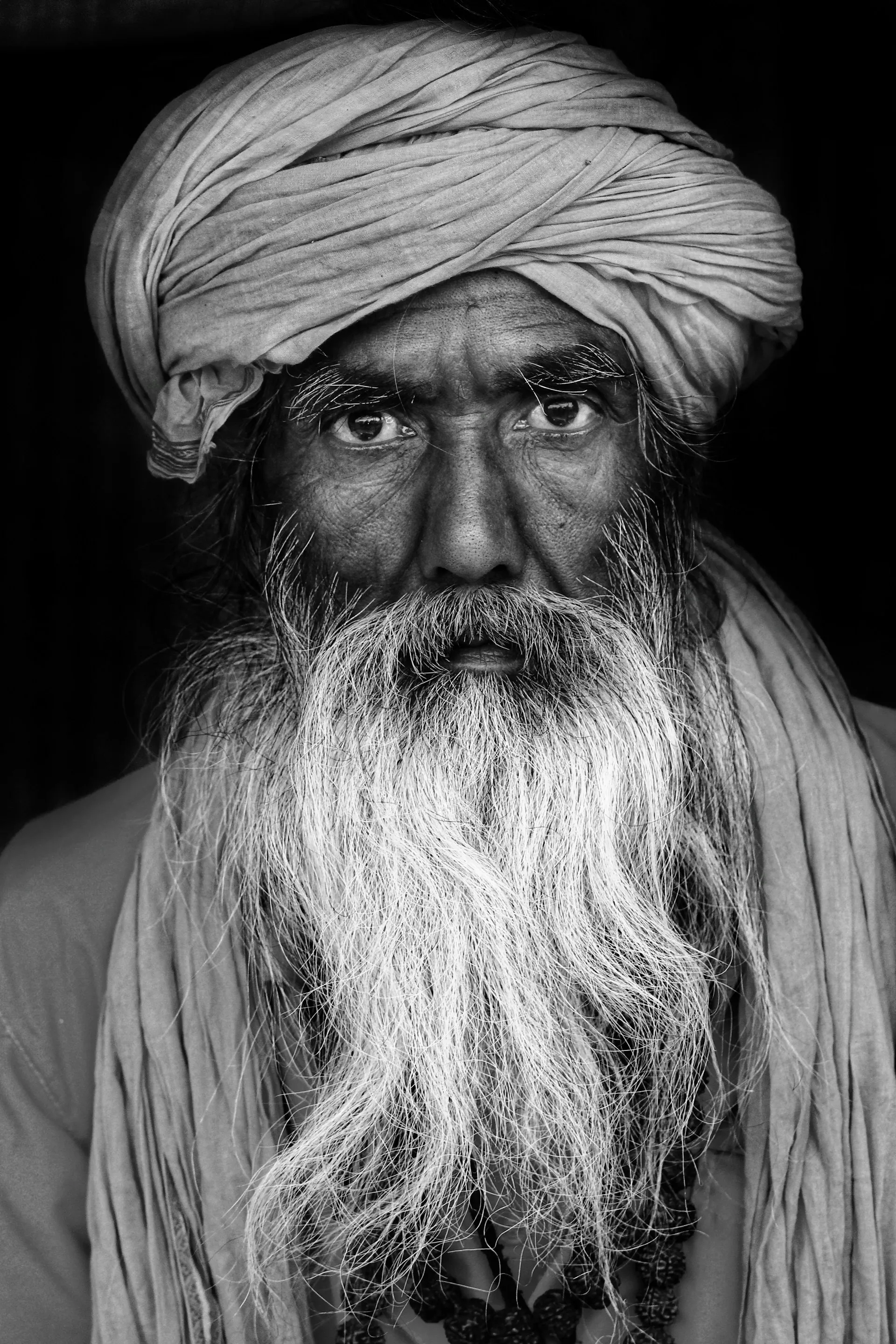
Photo: Dibakar Roy
Share this article
Pass it on to someone who may find it helpful.