
 Johan Slabbert
Reflections on 1 Kings 21:1-24
What happens when those in power decide they want what belongs to someone else? What if they can manipulate the law, bend the truth, and silence opposition? The chilling story of Naboth’s vineyard in 1 Kings 21 is a powerful account of injustice, abuse of authority, and divine retribution. But more than a history lesson, it remains a sobering reflection on the sanctity of legitimate ownership, the consequences of bloodshed, and the God who sees all.
1. The Division of the Land
The history of Naboth’s vineyard begins centuries before he was born. After the conquest of Canaan, biblically dated around 1406–1399 BC, the land was divided among the twelve tribes of Israel. This was not a casual allocation. It was systematic and sacred—distributed tribe by tribe, clan by clan, family by family. It was God who gave this land to His people as a covenant inheritance.
Jezreel, where Naboth’s vineyard was located, seems to have been within the territory of the tribe of Issachar. By the time we meet King Ahab, around 871 BC, this land probably had been in Naboth’s family for well over 500 years. It was not just soil to him—it was legacy. It was spiritual. It was the land of his fathers.
To own land in Israel was a sign of God’s promise. To relinquish it was to lose more than property; it was to give up part of your identity.
A Personal Example
There are many honourable ways to acquire land. Years ago, we had a passionate agriculture teacher named Mr. Verwey, nicknamed “Vy” or Fig, by nature of his subject and surname. He transformed a large part of the school grounds into an olive grove and vegetable gardens. The olive trees, now more than 50 years old, still benefit the school financially to this day. “Vy” also rented various plots of land around town and cultivated them tirelessly—irrigating from the canals, growing fuit and vegetables. His dedication paid off. Eventually, he bought a small farm. He earned it—not by coercion or theft, but by wisdom, honest labour, and vision. His son, “Klein Vy,” or Small Fig, inherited the farm. That is one honourable way land could be acquired.
2. The Stealing of the Land
In contrast, the events of 1 Kings 21 reveal a far darker path to land acquisition. King Ahab wanted Naboth’s vineyard to plant a vegetable garden next to his palace. He approached Naboth and offered to buy it—or to exchange it for another plot. This was, on the surface, fair and reasonable. Ahab began well.
But Naboth refused. And rightly so. It was his inheritance—he had the moral and legal right to keep it. His loyalty to his family’s heritage and to God’s covenant law was firm.
Jezebel’s Wicked Scheme
Ahab returned home sulking, and in stepped Jezebel. She ridiculed him for not acting like a king. Her solution? Fabricate charges against Naboth. Accuse him of blaspheming God and the king—capital crimes under the law. And so, with two false witnesses, the accusation was made, the trial was held, and Naboth was stoned to death.
It was murder dressed up as justice.
Ahab then took possession of the land. Not only had the land been stolen—it was stolen through bloodshed. And while Ahab didn’t physically throw a stone, his silence and benefit from the crime made him complicit.
But God saw it all.
“Have you not murdered a man and seized his property?” (1 Kings 21:19)
“In the place where dogs licked up Naboth’s blood, dogs will lick up your blood—yes, yours!”
This wasn’t just a political scandal—it was a moral catastrophe. And divine justice would soon follow.
Bloodshed Pollutes the Land
There’s a powerful truth in Numbers 35:33:
Bloodshed pollutes the land, and atonement cannot be made for the land on which blood has been shed, except by the blood of the one who shed it.
Ahab knew this. He understood the weight of innocent blood on the soil. But he chose to ignore it, thinking perhaps that his crown could shield him. But no earthly power can silence heaven’s witness.
3. The Judgement of the Ruler
God sent His prophet, Elijah, to confront Ahab with truth and judgment. Elijah did not mince words:
“You have sold yourself to do evil in the eyes of the LORD…” (1 Kings 21:20)
And then came the pronouncement of judgment—not just on Ahab, but on his entire house:
“I am going to bring disaster on you. I will consume your descendants and cut off from Ahab every last male in Israel—slave or free.”
“Dogs will devour Jezebel by the wall of Jezreel.”
“Dogs will eat those belonging to Ahab who die in the city, and the birds… those who die in the country.”
(1 Kings 21:21-24)
What began with the theft of a vineyard would end in the downfall of a dynasty.
What Do We Learn?
This tragic yet powerful story leaves us with profound lessons:
-
The land belonged to Naboth. It was his inheritance—a sacred trust passed down through generations.
-
The king initially acted with civility. He offered another piece of land or financial compensation.
-
Naboth had every right to say no. His inheritance was not for sale.
-
But then the machinery of state was twisted. Jezebel’s scheme turned the legal system into a weapon.
-
False charges led to murder. And the land was taken by bloodshed.
-
But God was watching. He saw everything. And He sent Elijah to declare judgment.
-
The result was devastating. Ahab’s house would fall. Jezebel would die. Justice would be served.
Final Consideration
The story of Naboth’s vineyard is more than a warning against political corruption—it’s a call to honour inheritance, to resist injustice, and to remember that no crime escapes the notice of heaven.
If you’ve ever wondered whether God sees the injustices in the world—the answer is yes.
If you’ve ever questioned whether the innocent will be vindicated—the answer is yes.
And if you’ve ever doubted that judgment will come—the answer, once again, is yes.
God does not sleep. He sees. He remembers. And He will make things right.
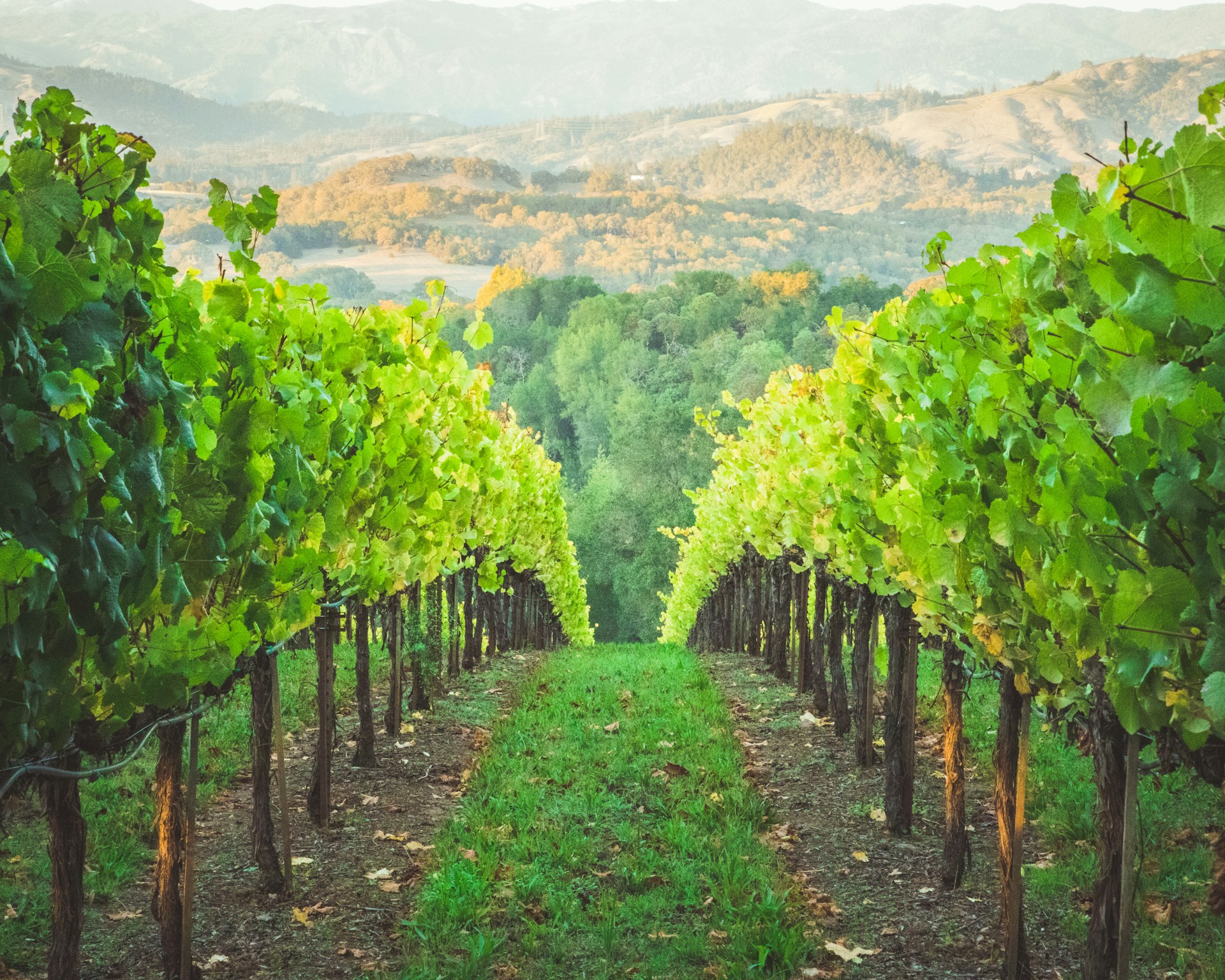
Photo: Jaime Cassap
Share this article
Pass it on to someone who may find it helpful.